
How to Tell if You’re Buying High-Quality Shrimp
Texas Gold Shrimp on 5th Nov 2026
Shrimp is one of the most popular seafood choices in the country, but not all shrimp is the same.
Two bags may look nearly identical in the freezer case while differing significantly in texture, flavor, sourcing, handling, and overall quality. For shoppers who want better seafood at home, learning what to look for can make it much easier to choose shrimp with confidence.
Whether you buy shrimp locally or prefer to order shrimp online, a few simple clues can help you identify a better product before it ever reaches the pan.
Look at Where the Shrimp Comes From
One of the first things to check is origin.
Shrimp may come from a wide range of countries, regions, and production systems, and that information can tell you a lot about what you are buying.
Many consumers specifically seek out American shrimp because they value domestic sourcing and a clearer connection to the region where the seafood was harvested.
Wild-caught Gulf shrimp offers an especially strong sense of place. It is tied directly to Gulf Coast fishing communities and seafood traditions that have been part of the region for generations.
When possible, look for packaging or product information that clearly identifies where the shrimp came from instead of simply describing it as "shrimp."
Pay Attention to Texture
Good shrimp should have a firm, resilient texture.
Once thawed, the shrimp should feel plump rather than mushy or excessively soft. The flesh should hold its shape and feel substantial enough to stand up to grilling, sautéing, roasting, or boiling.
Texture becomes especially important during cooking. Quality shrimp should remain tender and pleasantly firm when prepared correctly.
Shrimp that becomes watery or unusually soft can make even a well-seasoned dish feel disappointing.
Wild-caught shrimp is often appreciated by seafood lovers for the firm texture that works well across a wide variety of recipes.
Notice the Natural Appearance
Color and appearance can also provide useful clues.
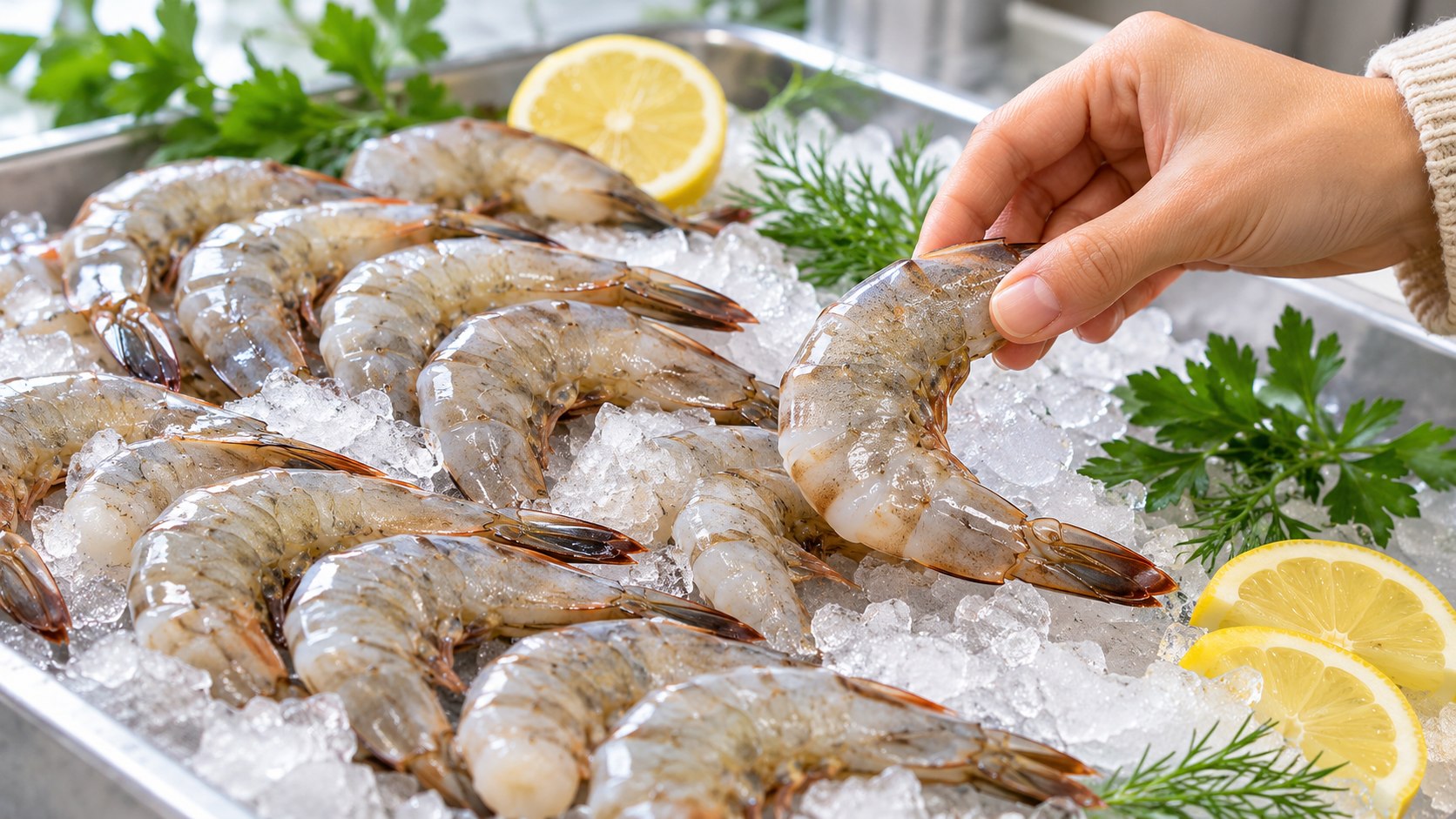
Raw shrimp should generally look clean and consistent, without unusual discoloration or obvious signs of deterioration. Some natural variation is normal, especially among wild seafood, so the goal is not perfect uniformity.
Instead, look for shrimp that appears fresh, intact, and properly handled.
After cooking, shrimp should develop an opaque appearance and natural pink or reddish tones, depending on the variety.
If the product looks excessively damaged, dehydrated, or covered in heavy freezer burn, that can indicate the shrimp has not been stored under ideal conditions.
Check the Packaging
Packaging matters more than people sometimes realize.
A well-sealed package helps protect shrimp from air exposure, freezer burn, and contamination while preserving its natural texture.
When purchasing frozen shrimp, inspect the bag or container for tears, broken seals, or excessive ice buildup.
A small amount of ice is normal with frozen seafood, but large ice crystals or thick frost can sometimes suggest the product has experienced temperature fluctuations.
If you order shrimp online, quality packaging becomes even more important. Reliable seafood suppliers should use appropriate insulated shipping materials and cold packaging designed to keep the product properly chilled throughout delivery.
Know What the Shrimp Count Means
Shrimp is commonly sold by count rather than by a simple small, medium, or large label.
A number such as 16/20 means there are approximately 16 to 20 shrimp per pound. Lower numbers generally indicate larger shrimp.
Understanding shrimp count can help you choose the right product for the meal you are preparing.
Larger shrimp work especially well for:
-
Grilling
-
Shrimp cocktails
-
Skewers
-
Main dishes
-
Stuffed shrimp
Smaller shrimp can be useful for:
-
Pasta
-
Soups
-
Salads
-
Dips
-
Fried rice
Knowing the count also helps you compare products more accurately because terms such as "large" or "jumbo" can vary between sellers.
Look for Clear Sourcing Information
Transparency is another sign of a quality seafood provider.
A trustworthy company should make it relatively easy for customers to understand what they are buying.
Useful information may include:
-
Country or region of origin
-
Wild-caught or farm-raised status
-
Shrimp size or count
-
Processing and packaging information
-
Storage recommendations
-
Shipping details
When a product is marketed as premium seafood but provides almost no information about where it came from, shoppers have fewer ways to evaluate its quality.
Brands that emphasize sourcing and handling give customers more confidence in the product reaching their table.
Avoid Judging Quality by Size Alone
Bigger shrimp is not automatically better shrimp.
Large shrimp can be impressive for grilling or presentation, but quality is determined by much more than size.
Smaller shrimp from a dependable source can offer excellent flavor and texture, while oversized shrimp that has been poorly stored or handled may not deliver the same experience.
Think about how you plan to cook the shrimp first, then choose a size appropriate for the dish.
The combination of proper sourcing, handling, texture, and freshness matters far more than simply purchasing the biggest shrimp available.
Consider How You Plan to Cook It
The best shrimp for you also depends on what you are making.
If you regularly grill, larger wild-caught Gulf shrimp may be worth keeping on hand because it is easier to manage over direct heat.
For pasta, tacos, bowls, or stir-fries, a slightly smaller size may provide more shrimp throughout each serving.
Choosing the correct shrimp for the cooking method helps you get better results and better value from each package.
Buy From a Source You Trust
One of the easiest ways to improve the quality of the seafood you eat is to find a supplier you trust.
Knowing the source reduces much of the guesswork involved in seafood shopping.
For customers who do not live near the Gulf Coast, the ability to order shrimp online provides another way to access premium seafood without relying entirely on whatever happens to be available at a local store.
Texas Gold Shrimp gives customers access to wild-caught Gulf shrimp with a clear connection to Texas and Gulf Coast seafood traditions.
Better Shrimp Starts Before You Cook
Great shrimp recipes begin long before the skillet gets hot.
Understanding origin, shrimp count, texture, appearance, packaging, and sourcing gives shoppers a better foundation for choosing seafood they can feel confident preparing and serving.
The next time you shop for shrimp, take a moment to look beyond the price and the size printed on the package.
Knowing what you are buying can make a noticeable difference in the flavor, texture, and overall quality of the meal that ends up on your table.