

Why Wild Caught Shrimp Tastes Better: A Chef's Guide
Texas Gold Shrimp on 14th Mar 2025
Sweet, briny shrimp needs very little to make a memorable meal. If you enjoy Gulf seafood, wild-caught shrimp is a natural place to start. The best results come from choosing the right shrimp for your dish and giving its flavor room to shine.
“Better” is a matter of taste. Species, handling, storage, and preparation all affect the finished meal; wild-caught does not automatically mean every shrimp will taste the same. Here is how to choose and cook Texas Gold Shrimp with confidence.
What Makes Wild-Caught Shrimp Appealing?
Wild shrimp grow in their natural marine environment. Their flavor can range from mild and sweet to more distinctly briny. Rather than hiding that character under a heavy sauce, try a simple preparation with a little oil, salt, and lemon so you can decide what you enjoy.
Texture matters as much as flavor. Shrimp should have a tender bite when properly cooked. Even a good-quality shrimp can turn rubbery if left on the heat too long. Buying carefully and cooking attentively work together.
Choose the Right Shrimp for Your Recipe
- Weeknight pasta, tacos, or a skillet dinner: Peeled & Deveined Shrimp reduces preparation work.
- Peel-and-eat boils or shell-on grilling: Headless, Shell-On Shrimp is a good fit. Peel and devein before cooking if your recipe calls for it.
- Portion planning: use our serving-size guide or shrimp calculator before ordering.
Compare the count per pound, not just words such as jumbo. A 16/20 count means approximately 16–20 shrimp per pound; a lower count means larger shrimp. Check the current product options and package weight to match your recipe.
How to Prepare Wild-Caught Shrimp for Better Flavor
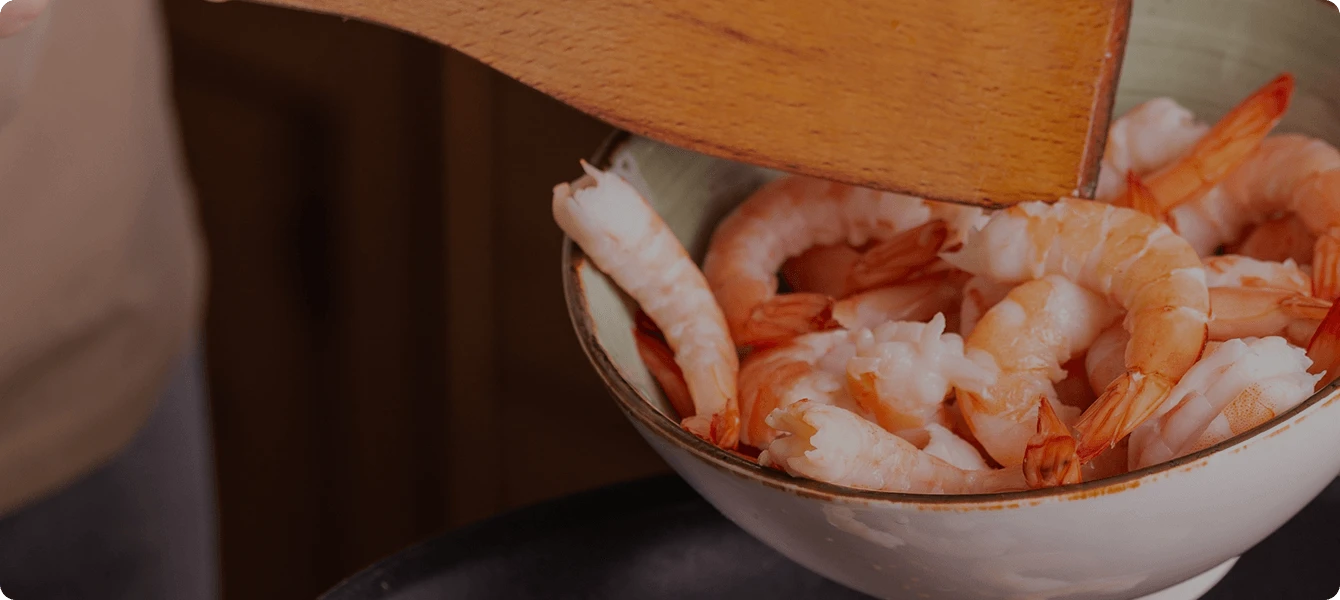
- Thaw first. Thaw overnight in the refrigerator, or use a sealed bag in cold water for quicker thawing. Keep raw shrimp separate from ready-to-eat ingredients.
- Prepare consistently. Remove shells if needed, check the back for the vein, and pat the shrimp dry. Surface moisture makes browning harder.
- Season simply. Start with a little oil, salt, and pepper. Add stronger seasonings after you have decided how much of the shrimp's own flavor you want to keep.
- Give the shrimp space. Cook in a single layer and work in batches. Crowding a skillet traps moisture.
- Check doneness, not just the clock. Shrimp flesh should become firm, pearly, and opaque. Follow package directions; size and equipment change cooking time.
See the FDA's seafood handling guidance for thawing and preparation details.
A Simple Garlic-and-Lemon Skillet Method
For 1 pound of thawed, peeled shrimp, have 1 tablespoon of olive oil, 1 tablespoon of butter, 2 minced garlic cloves, and lemon wedges ready. Heat the oil in a skillet over medium-high heat. Add dried, lightly seasoned shrimp in a single layer and turn as the first side cooks. Lower the heat, add butter and garlic, and stir briefly without burning the garlic. Finish with lemon after the shrimp are cooked through, then serve immediately.
For larger batches, cook the shrimp in batches before adding the garlic and butter. For pasta, have the pasta and sauce ready first so the cooked shrimp do not sit on the heat while you finish the rest of the dish.
Three Ways to Put Your Shrimp to Work
Try rosemary garlic grilled shrimp for a cookout, shrimp Fra Diavolo for a spicy dinner, or shrimp cocktail for a make-ahead starter. Match the product's shell preparation to the recipe before you begin.
Frequently Asked Questions
Is wild-caught shrimp always better than farmed shrimp?
Flavor preference is personal, and quality depends on more than where a shrimp was raised. Species, storage, and cooking all matter. Try a simple preparation when comparing shrimp so the seasoning does not overwhelm the difference.
Should I buy frozen shrimp?
Frozen shrimp is convenient for portioning and meal planning. Follow the package's storage instructions and thaw only what you need. “Previously frozen” seafood sold at a counter has already been thawed; the label and handling history matter more than the display.
Can I use the shells?
Yes—shells can be useful for stock. Read why you should save shrimp shells for ideas.
Bring Gulf Shrimp to Your Next Meal
Choose peeled and deveined shrimp for convenience, or headless shell-on shrimp for a hands-on seafood dinner. Browse Texas Gold Shrimp recipes for your next meal.